Common Household batteries
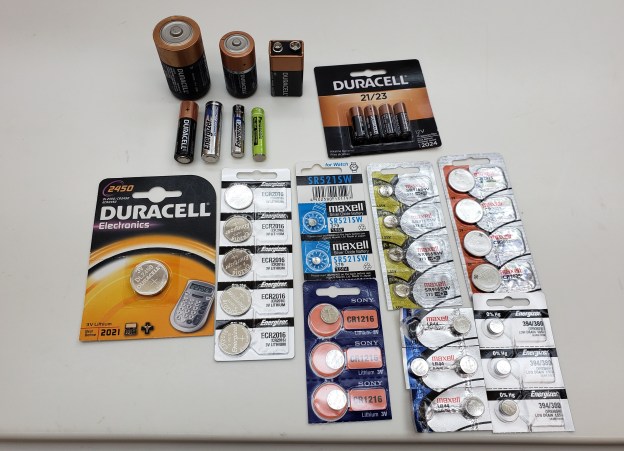
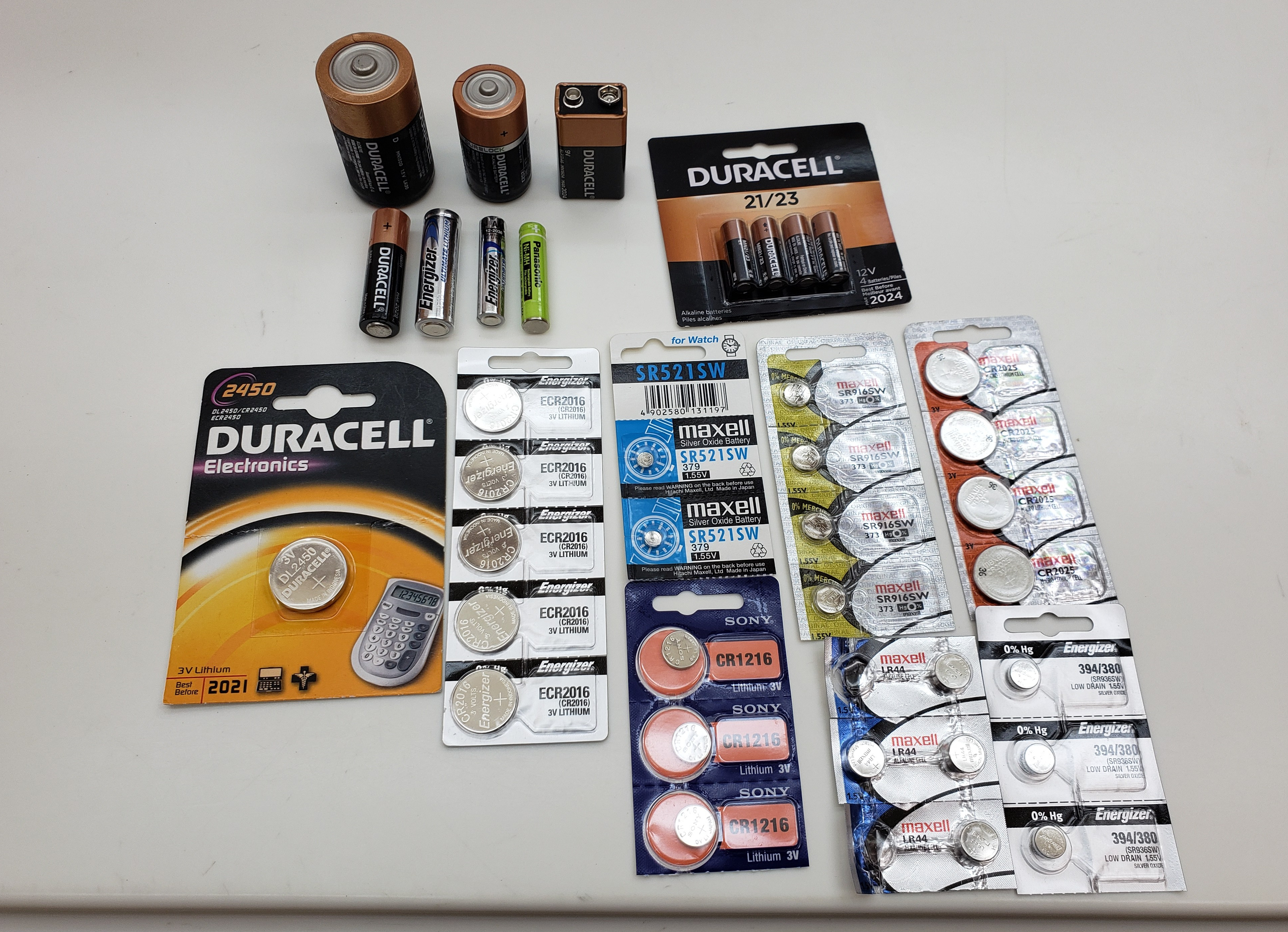
Our homes are filled with devices that require batteries to make them operate. They typically are AAA, AA, C, D, and 9 volt. These batteries are sometimes available in several chemistries. Each has pros and cons.
- Zinc-Carbon (1.5v) batteries are the oldest, and usually the least expensive household batteries, deliver the least amount of current, and have the shortest life. They are not rechargeable, even though there are advertisements offering chargers for them.
- Alkaline (1.5v) batteries deliver high current and last longer in devices that require a lot of current such as toys or flashlights. One big drawback: alkaline is corrosive, and if the cells are left in a device for a time, eventually the batteries will corrode and often ruin the device. Remove the batteries from anything you do not use regularly, and put the batteries in a plastic bag next to the device. I recently noticed one of my alkaline batteries I keep in my glove box next to my flashlight had leaked and made a mess. I should have kept them in a plastic bag. Keep fresh batteries in the refrigerator (not the freezer) to slow their deterioration down.
- Lithium (1.5v) batteries come in both rechargeable and non-rechargeable. The non-rechargeable batteries offer fairly high current draw, very long shelf life (years), and do not tend to leak like alkaline batteries. Their biggest drawback today is, they are more expensive than alkaline batteries. Use them in clocks, transistor radios, remote door openers, and other expensive devices you don’t want ruined by battery corrosion.
- Lithium (3v) button batteries are often used in calculators, small photography devices, and many other specialty items.
- Silver Oxide (1.55v) batteries have a very high energy to weight ratio and are often used in electronic watches. BTW, replacing watch batteries is easy and only requires a few of inexpensive tools. The biggest obstacle is: getting the back off the watch. (tools are available over the internet) The rest is easy. Batteries are available online for less than a dollar.
Checking Non-Rechargeable Batteries
- First look at the battery. Is it leaking? Is it bulging? Sometimes batteries will bulge when they get hot internally. Replace the battery and try to determine why it overheated. There may be additional problems with the device.
- Next, you will need a voltmeter, or even better, a battery tester that puts a load on the battery to test it.
- Common household batteries like AAA, AA, C, and D cells should produce about1.5 volts. Ordinary voltmeters will sometimes indicate a defective, non-rechargeable battery, if the voltage is low. There are times when a battery will indicate the correct voltage, but will be bad. I have never seen a non-rechargeable battery, read low voltage, and was good. A low voltage, non-rechargeable battery should be discarded or recycled.
Rechargeable Batteries
- Nickel Cadmium (1.2v) The first generally available, rechargeable cell. The first household consumer ones were AA size and began showing up in rechargeable razors and small radios. They had several disadvantages, such as losing their charge, when they were not being used. They also had a ‘memory’ problem. If not fully discharged, they would soon only deliver a partial discharge. If you often only used 20% of the batteries capacity, after recharging, they would only deliver 1/5 of their capacity. You could not use 100% of the battery. To overcome this, the battery needed to be completely discharged and ‘reformed’. You will need a good charger to do this.
- NI-MH (1.2v) A major improvement over the NiCad battery. A few years ago a big improvement was developed by the Sanyo company. The internal structure was improved. The batteries are called Eneloop. Now owned by Panasonic, this is the best rechargeable battery available today for small consumer electronics. They are currently only available in AA and AAA sizes. There are adapters that allow you to put a AA battery inside a C or D battery size adapter. They are disappointing, as they can only deliver the current of a AA battery. Some Amazon companies are selling rechargeable C and D batteries. When you look at the current capacity of these rechargeable C and D cells, they are about 2500ma, the capacity of one AA cell. Panasonic claims their Eneloop batteries can be charged about 2000 times. If you have a battery operated device you use often, rechargeable batteries can save a lot of money over time, and they don’t leak.
- Lead Acid (2.4v per cell) Most gasoline automobiles have a Lead Acid battery in them. They usually last up to 5 years, depending how they are constructed and maintained. It appears most automobile batteries now have a 3 year full warranty. There are automobile battery testers available under $50.00, which are quite useful in indicating when your car battery is reaching end of life and should be replaced. They measure your batteries internal electrical resistance, and determine how much amperage is available to start your car.
- Gel Cells (2.4v per cell) A big improvement over the lead acid battery. They require a ‘smart’ computerized charger to maintain them. They are often used in standby applications. If you have an alarm system in your home, you probably have a gel cell as a backup, in case the main power fails. They come in many sizes and capacities; 12 volts is the most common.
- Lithium
Battery Testers and Chargers
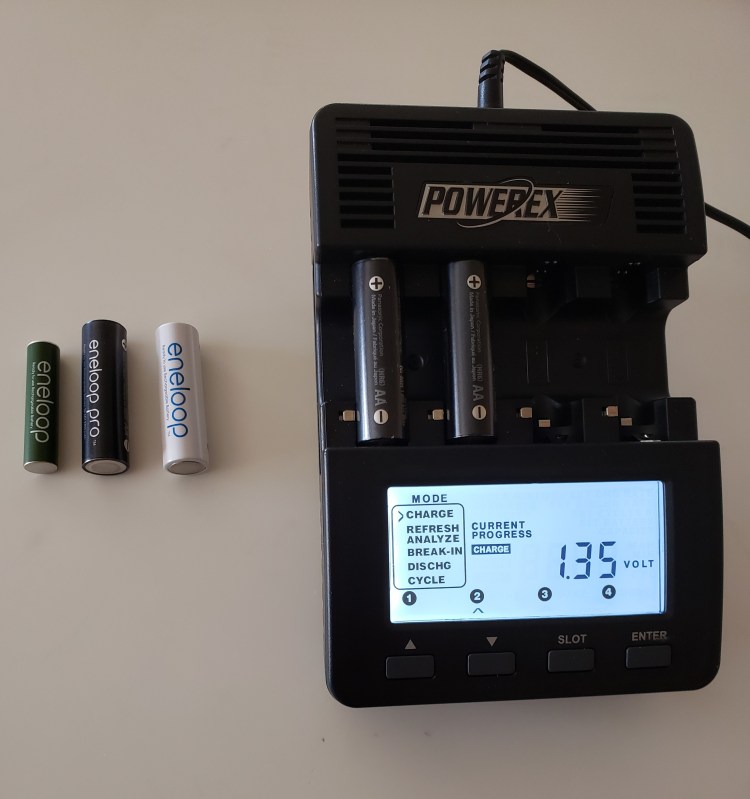
On the left, is a full function rechargeable battery charger and conditioner. It not only will recharge your batteries, but can analyze cells for problems, completely discharge them, and bring many old rechargeable batteries back to life again.

The ZTS battery tester is much more useful than a voltmeter, because it can test a number of different non-rechargeable and rechargeable batteries under a load. Putting a battery under a load will tell you more than just the voltage of the cell; it will also indicate how much current the battery can deliver. The LED’s at the top indicate the percentage of life left in your battery. This company makes other models which will test more battery types.
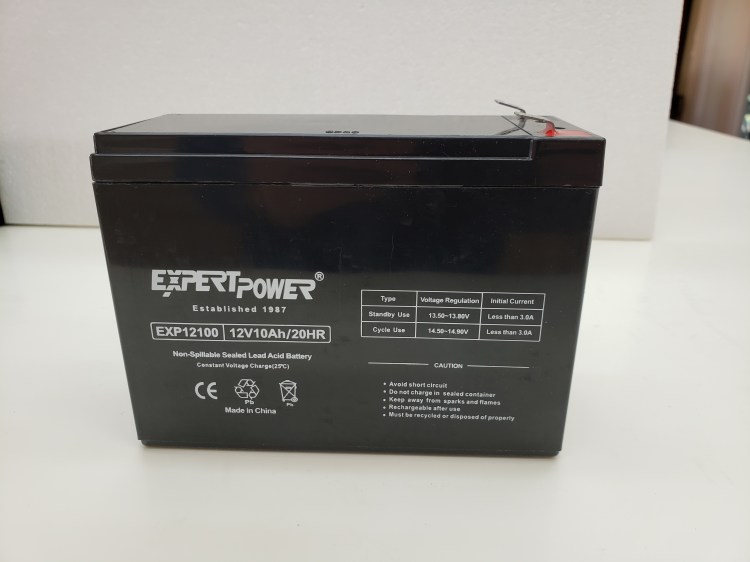
This is a large gel cell. They come in many sizes and capacities. Most are 12 volts. One caution – be sure to order the correct terminal size. Many gel cells may come in one of two terminal sizes: F1 and F2. The F2 terminal is larger (about 1/4″ .250″). If your new battery has F2 terminals, and the wires from your device has F1 (about 3/16″ .187″) connectors, you may have a problem. There are adapters available on the market, but you can save yourself some difficulty by ordering the correct battery terminals.
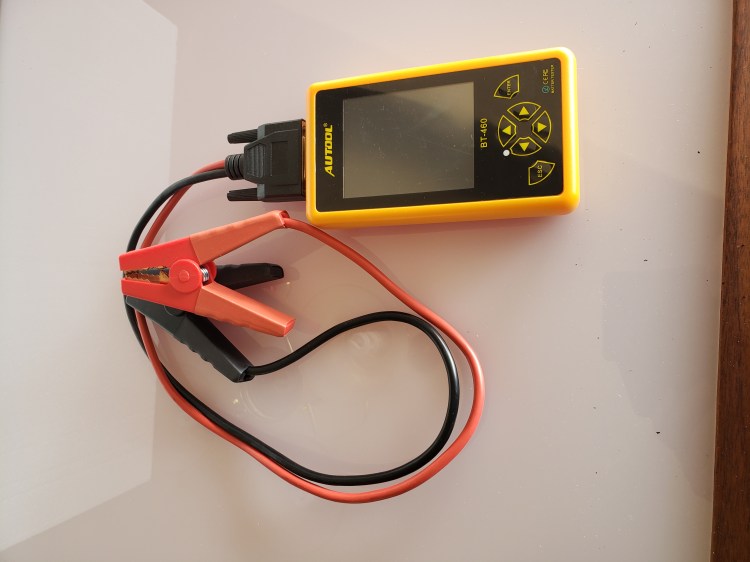
On the left is an inexpensive automobile battery and charging system tester. If your car battery is a few years old and is having more difficulty turning your motor over when starting, especially after it has not been driven for a few days, this type of tester could save you from being stranded. When you put this tester across your battery terminals, it will indicate how much battery capacity is left, and recommended if the battery should be be replaced or not. This device measures the internal resistance of a battery. As a battery ages, it will increase in internal electrical resistance, delivering less current when starting your automobile. This is a time when a lot of amperage is required.
 SLO-ELECTRONICS